
GKE or Cloud Run: which should you use?
When you want to use managed Kubernetes services, Google Kubernetes Engine (GKE) is the most suitable option for a container orchestration platform. GKE will give you complete control over orchestration of containers, from networking to storage. However, Cloud Run is available in two flavors: One as a fully managed Google Cloud service, and other as a Cloud Run for Anthos. Read our blog and see which one you should use, GKE or Cloud Run?When you want to use managed Kubernetes services, Google Kubernetes Engine (GKE) is the most suitable option for a container orchestration platform. GKE will give you complete control over orchestration of containers, from networking to storage. However, Cloud Run is available in two flavors: One as a fully managed Google Cloud service, and other as a Cloud Run for Anthos. Read our blog and see which one you should use, GKE or Cloud Run?
BlockCloud: A Mind-boggling Blend of Blockchain & Cloud
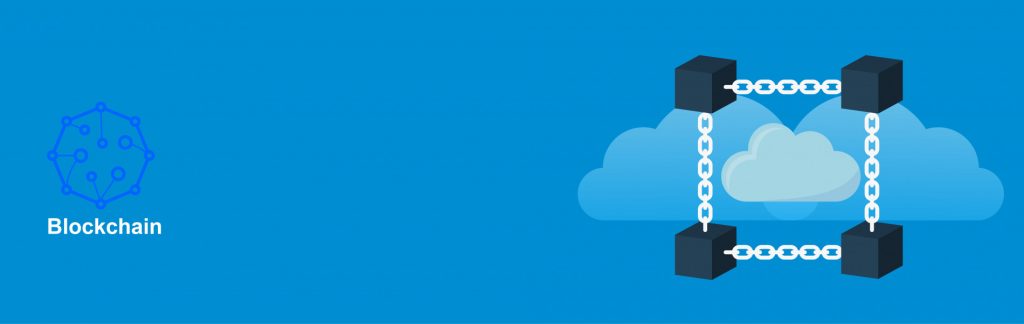
BlockCloud is a new step that combines the advantages of SCN (Service-Centric Network) and blockchain to empower IoT. It is a service-centric blockchain architecture, which leverages a service-driven communication prototype to support mobility and scalability. Read the entire blog to understand this mind-boggling blend of Blockchain and Cloud.
Services in Kubernetes
In this blog, we have clearly explained, Types of Services in Kubernetes, Why do we need Services with valid examples. Read our blog and understand these things in depth.
Storage in Google Cloud
Cloud storage is the unstructured data service on Google Cloud that is arranged within buckets and objects inside those buckets. It holds everything that is in digital format which includes pictures, videos, files, scripts and even databases for transfer/backup. It has virtually infinite size. Know more by reading our blog on storage and its backup with security.
Connecting to Cloud SQL from Cloud Run
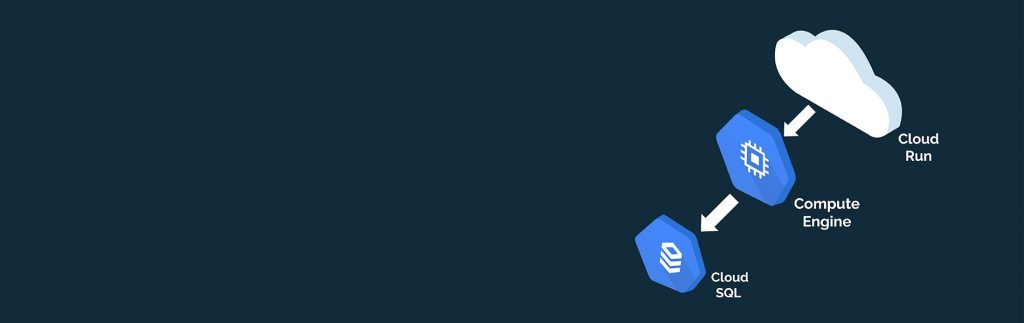
In this blog, we have explained the process of Connecting to Cloud SQL from Cloud Run and Creating a Cloud SQL instance. Read this blog to know more about Connecting to Cloud SQL from Cloud Run.
Subscribing to Message in pub/sub
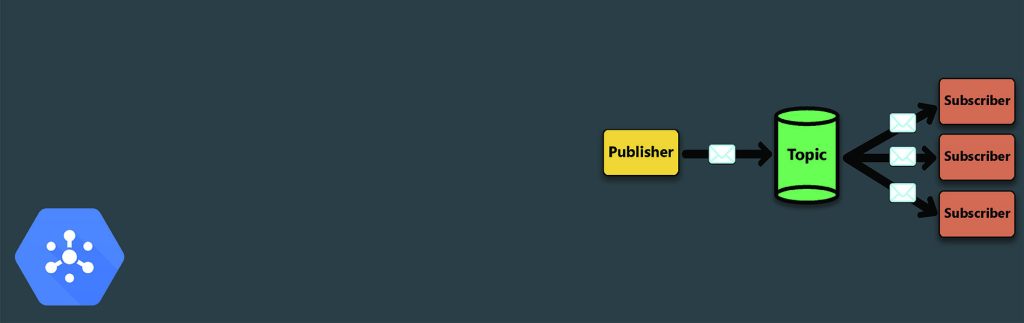
A Cloud Pub/Sub is one of the available services in the Google Cloud Platform, that provides a messaging transport system. It takes the data from many senders and transmits it to many receivers in an asynchronous manner. Read our blog to understand how the delivery of these messages takes place.
Build a Google Cloud Function in Node
Cloud Functions is a serverless running environment for building and connecting cloud services. With Cloud Functions, you can write single-purpose functions which are attached to an event emitted from your cloud services.
Introduction of Virtual Private Cloud (VPC)
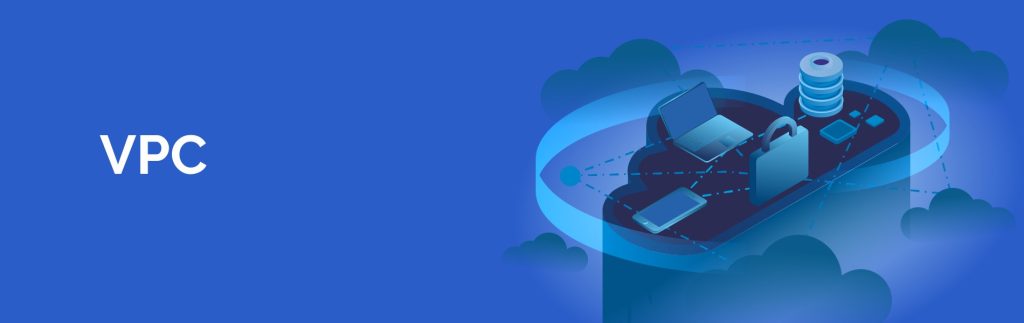
VPC provides you the flexibility to scale and control how workloads connect regionally and globally. You will have global access to your VPCs without needing to replicate connectivity or administrative…
Google Cloud Armor Security Policies
This blog emphasizes on Google Cloud Armor (GCA) security policies that are made up of rules that allow or deny traffic from IP addresses defined in rule.
An Interconnection with Google Cloud Dataflow
This blog provides us the necessary insight about how Cloud dataflow allows users to build pipelines, monitor execution, transform and analyze business critical data.