
How to Enable Autoscaling in Google Cloud?
Google Cloud platform offers autoscaling capabilities that allow us to automatically add or delete instances from a managed instance group based on increase or decrease in the load. Google Cloud Autoscaling…
Fundamentals of Cloud Network Address Translation (NAT)
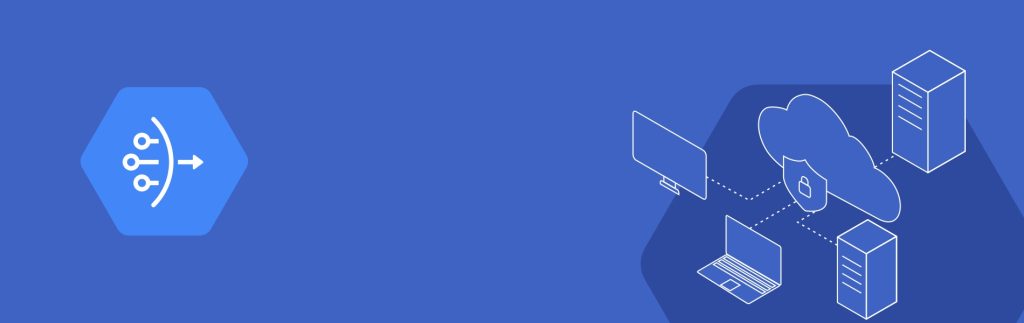
An IP address is a basic part that a computer needs in order to communicate with other computers or a web server on the internet. The Internet has grown larger than anyone could have ever imagined. So what has the size of the internet to do with Cloud Network Address Translation (NAT)?
What is Serverless Computing?
Serverless computing is used to write and deploy the code. We don’t need to manage the underlying infrastructure. It increases developer productivity because the developer has to focus on building great applications and abstracting away the rest.
Basic Concepts of Networking in Google Cloud Platform
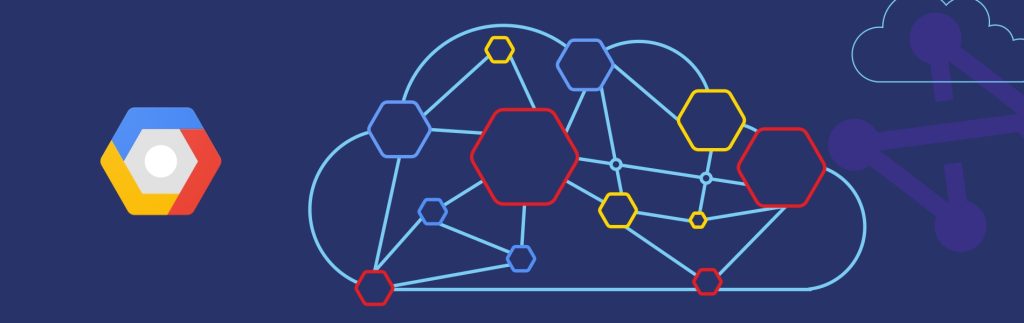
Virtual Private Cloud Network or simply network is a virtual version of a physical network. In Google Cloud Networking, networks provide data connections into and out of cloud resources – mostly Compute Engine instances. Securing the Networks is critical to securing the data and controlling access to the resources.
Peering in Network: A Basic Guide
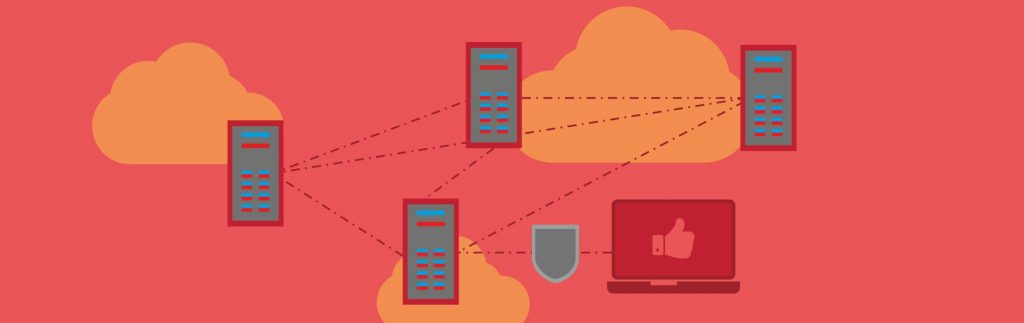
In today’s era, data is the biggest asset. The data gathering, data storage, and data exchange are the major concerns while handling it. Considering the data as future currency, the transaction of this is a crucial subject. Even though, the basic intention will always be to ensure the security, reliability,…
Building an Application with Google Cloud App Engine!
Google App Engine is a Platform as a Service (PaaS) product that provides access to Google’s scalable hosting. It builds and deploys an application on a fully managed serverless application platform.
What is Site Reliability Engineering (SRE) at Google?
SRE stands for Site reliability engineering. As stated in the name SRE means always keep your site up or we can say create ultra-scalable and highly reliable software systems that will never ever fail.
Deep Understanding of Kubernetes Environment

Kubernetes is an open-source container orchestration tool that can automate scale, distribute and manage fault tolerance on containers in the event of a failure in the component. Kubernetes is originally created by Google and then donated to Cloud Native Computing Foundation.
What Is the Future of Cloud Computing in 2019?
Good technologies solve many problems and make our life easy. Great technologies deliver new ways to think about ourselves and the future.
How to Run a Big Data Text Processing Pipeline in Cloud Dataflow?
Dataflow is a unified programming model and a managed service for developing and executing a wide range of data processing patterns including ETL, and continuous computation.