
Artificial intelligence (AI) is advancing at a breakneck pace. While single, rule-based systems once dominated, the future belongs to Agentic AI, particularly those built with multi-agent collaboration systems. This is no longer about automating tasks, this new paradigm has shifted towards building autonomous, purposeful systems that reason, plan, and coordinate collaboration to solve difficult problems.
The Rise of Agentic AI
Now, agentic AI is powerful not because it can replace rule-based systems, but since it can operate with a degree of autonomy. Unlike a rule-based system that sticks to a fixed, pre-determined script, an agentic AI can:
- Perceive its environment: Through perception, agentic AI can perceive and interpret information from its world — be that source a request from a user, data from a database or signals coming from other agents.
- Reason and plan: It can dynamically break down a complex goal into smaller, manageable sub-tasks.
- Take action: It is capable of executing a plan, usually through an external tool or other systems.
- Get better and better: All because it learns from new data and feedback, it keeps improving its performance.
This transition from static automation to dynamic autonomy is what transforms agentic AI into a true game-changer.
Do you know why you must have “Multi-Agent Collaboration”?
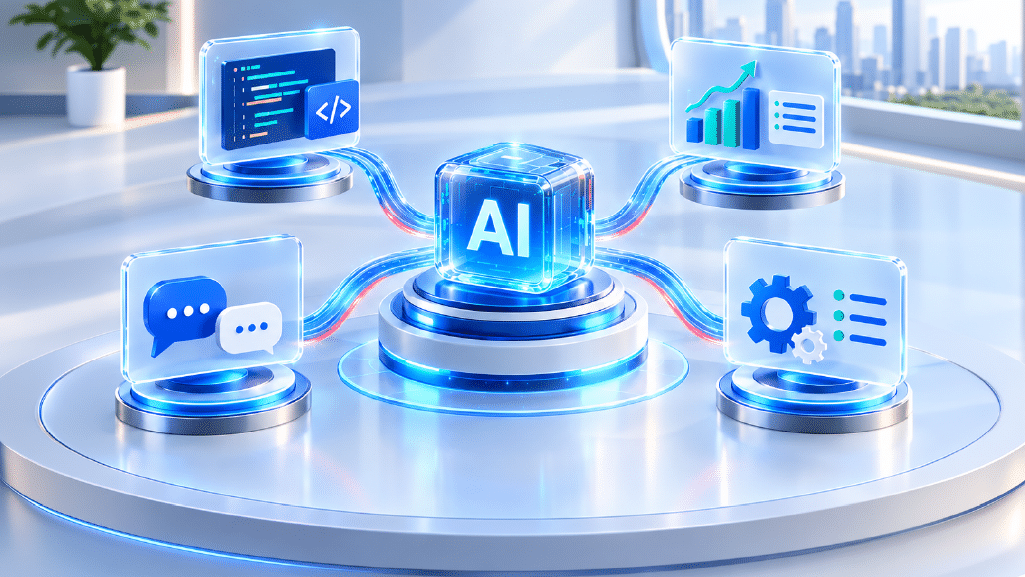
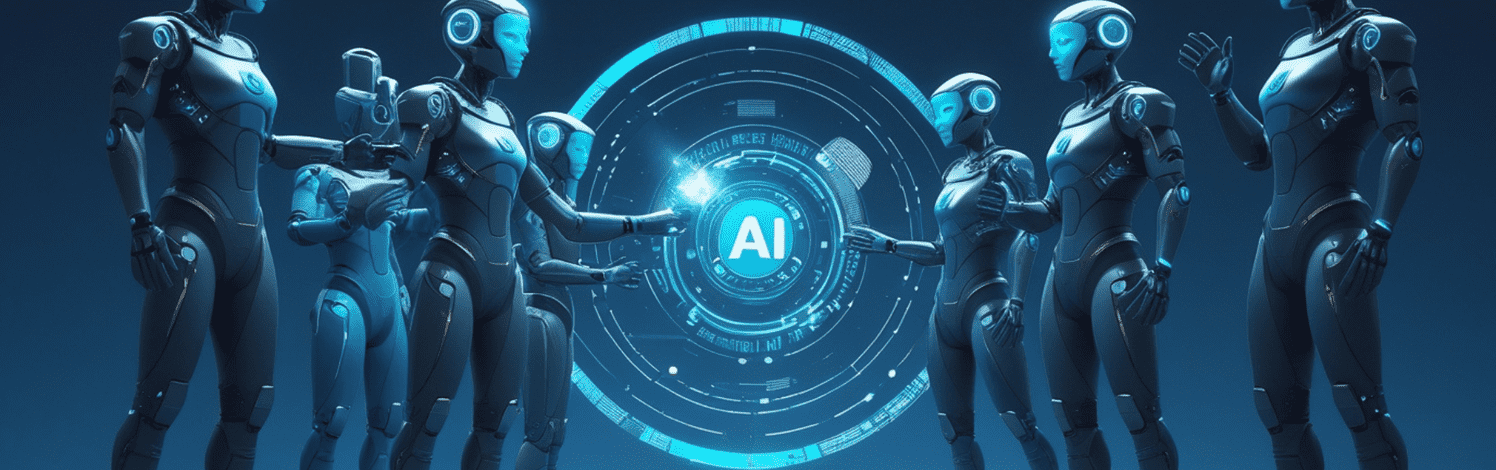
Though a single-agent solution is powerful but it has its limitations. Single Agent vs multi-agent systems highlight a major distinction: single agents can struggle with complex tasks that require diverse knowledge or a high degree of specialization. This is why collaboration between multiple AI agents is useful. In the realm of agentic AI, a multi-agent system is simply a network of independent agents with specialized functions working toward some shared end.
Let’s say, one potential use case for agentic AI, which focuses on multi-agent collaborative systems could be a complex e-commerce task.
In a Complex e-commerce scenario, agentic AI is more likely to operate as a collaborative multi-agent system rather than all functionality being rolled up into one monolithic model. For example, a Logistics Agent tracks shipments and route optimization, Product Research Agents conduct analysis of products and markets, and Customer Service Agents handle inquiries and orders.
High above is a Master Agent orchestrating them—getting the first request, assigning work to specialized agents, and combining their outputs into a final response or solution. These entail having highly autonomous agents that know how to communicate, share, and optimize by learning from each other and also work in a modular way. This means that since those agents are independent it provides immense scalability, and flexibility as well if one part fails you can reroute tasks or adapt quickly without compromising the expenses of your machine thereby maintaining high reliability.
Manufacturing Use Case
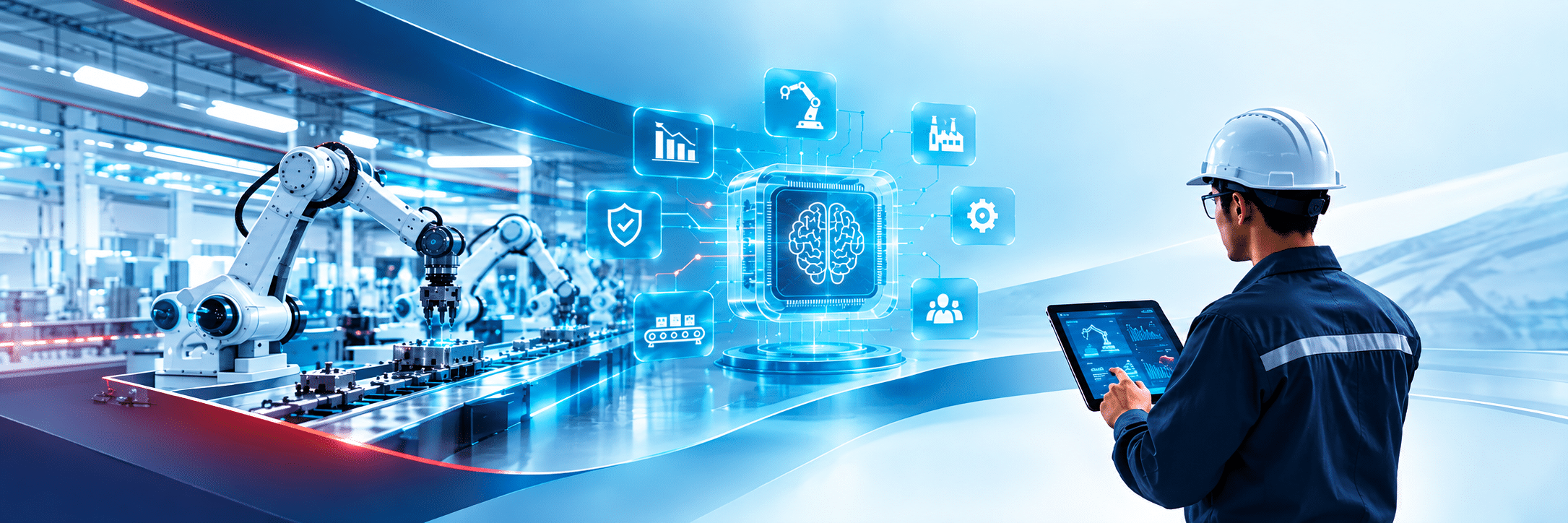
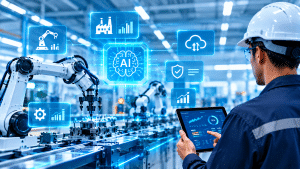
Intelligent supply chain optimization is an important use case for agentic AI in manufacturing. Instead of a single monolithic system, a synchronized coalition of specialized AI agents work together to manage the full end-to-end process from sourcing aspects and inventory management through production planning, logistics and delivery to ensure an efficient, adaptive and resilient supply chain.
Has this discussion been helpful so far?
How do the Agents Work Together?
- Procurement Agent: Monitors inventory levels and orders raw materials to maintain supply.
- Production Planning Agent: Create optimal production schedules to minimize downtime and maximize productivity
- Logistics Agent: Assists in planning the most efficient delivery routes and schedules shipments.
- Master Agent: Functions as the driving force behind everything, assigning roles and clearing disagreements between the other agents.
Why is This Approach Better?
Having multiple agents system is more efficient than a single system because it is:
- Responsive: Agents react to real-time events, such as an unforeseen supply chain disruption or production issue.
- Fault-tolerant: if one agent goes down, others can compensate and keep the whole thing going.
- In practical usage: Specialized domain knowledge for each agent leads to better decisions and saved costs of doing business altogether.
Key Takeaways and Frameworks
Business sectors are increasingly adopting this multi-agentic AI to address issues which are too complicated for single systems. AI embedded within these systems enables multi-agent planning that results in better, more efficient and adaptable performance.
This will be easier to do with the development of multi-agent AI frameworks. These frameworks abstract away the important tools for communication, resource management and orchestration between agents, so developers can focus on how to implement their business logic without having to worry about re-creating the entire system.
In conclusion, AI multiagent systems are the future of intelligent automation. It is only when an external agent goes beyond basic, scripted actions to create authentic collaboration that they reach new levels of efficiency and innovation for a specific use case.