



There are numerous methods to connect various resources, networks, and services in the world of cloud computing. VPC sharing and VPN are two popular techniques. Although they may seem similar, they are truly quite different. In this article, we will examine the distinctions between VPN and VPC peering.
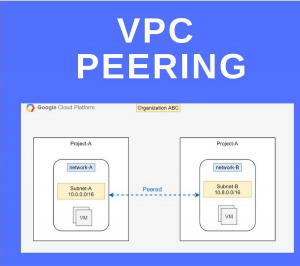
What is VPC peering?
By connecting two or more Virtual Private Clouds (VPCs) in the same or separate AWS accounts, you can enable communication between them as if they were a single network through a process called VPC peering. By using private IP addresses, instances in one VPC can speak with instances in the other VPC immediately thanks to VPC peering.
VPC sharing is a quick, low-cost method of connecting VPCs. The data is sent safely over the AWS network without the need for any specialized hardware or software.
What is a VPN?
A virtual private network (VPN) is a technique for connecting two or more networks via the internet so that they can securely interact with one another as if they were a single network. VPNs are frequently used to link branch offices to the main office network or to connect remote employees to the corporate network.
Data transferred over the internet is protected by VPNs using encryption. This indicates that even if data is intercepted, it cannot be decrypted without the encryption secret.
Differences between VPC Peering and VPN
Let’s examine their differences now that we have a fundamental idea of what VPN and VPC peering are.
- Network Topology
VPCs under the same or distinct AWS accounts are connected using VPC peering. Out of numerous VPCs, it is easy and affordable to build a single, sizable virtual network. Contrarily, a VPN is used to link networks over the internet, regardless of whether they are physically close to one another or not. - Social Security
A safe method of data transfer over a network is offered by both VPN and VPC peering. While a VPN encrypts data sent over the internet, VPC peering uses the Amazon network to send information between VPCs. - Complexity
A quick and easy way to connect VPCs is through VPC peering. The data is sent securely via the AWS network without the need for any specialized hardware or software. On the other side, managing a VPN can be more difficult and involve more setup and configuration. - Cost
While data transport between VPCs located in different Amazon regions may incur fees, VPC peering is always free within the same AWS area. On the other side, VPN can be more expensive because they need a VPN gateway and require paying for data transfers.
Conclusion
To sum up, there are two distinct ways to connect networks: VPN and VPC peering. While VPN is used to connect networks over the internet, VPC peering is a quick and affordable solution to link VPCs located in the same or different Amazon accounts. Both offer a safe means of sending data across a network, but they are different in terms of network design, security, cost, and complexity. The decision between VPC peering and VPN ultimately comes down to the particular requirements of your business.